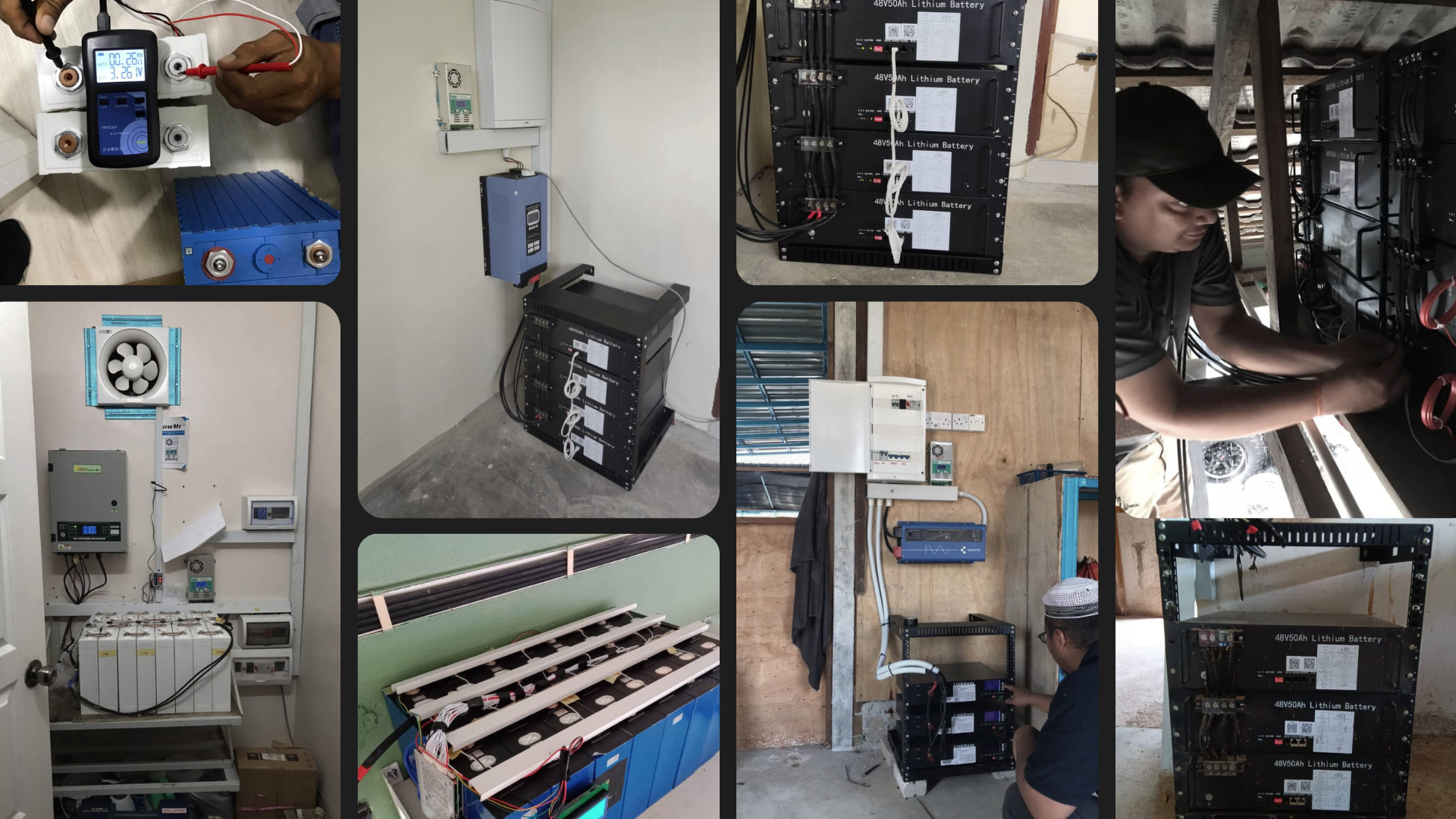
What are Lithium Iron Phospate (LifePO4) Batteries
LiFePO4 batteries, short for Lithium Iron Phosphate, stand out in the world of rechargeable lithium-ion batteries for their remarkable safety features and extended cycle life.
Their stable chemistry and resistance to thermal runaway significantly reduce the risk of overheating and fire hazards, making them a preferred choice for a wide range of applications.
LiFePO4 batteries excel in longevity, offering thousands of charge-discharge cycles with minimal capacity degradation.
This durability makes them ideal for scenarios requiring frequent cycling, such as electric vehicles and energy storage systems.
LiFePO4 batteries rack-mounted configurations


LiFePO4 batteries are available in various form factors to suit different applications, including rack-mounted configurations.
A rack-mounted LiFePO4 battery typically comes in a standard 19-inch rack form factor, which is commonly used in data centers, telecommunications facilities, and industrial settings.
These rack-mounted LiFePO4 batteries are designed to be installed in standard equipment racks, allowing for easy integration into existing infrastructure.
They are often used for applications such as uninterruptible power supplies (UPS), backup power systems, energy storage systems, and more.
Cells Configuration of 48V LiFePO4 Batteries
A 48V LiFePO4 battery is typically constructed by combining individual cells with a nominal voltage of 3.2 volts each. These individual cells are connected together in series to achieve the desired overall voltage of 48 volts.
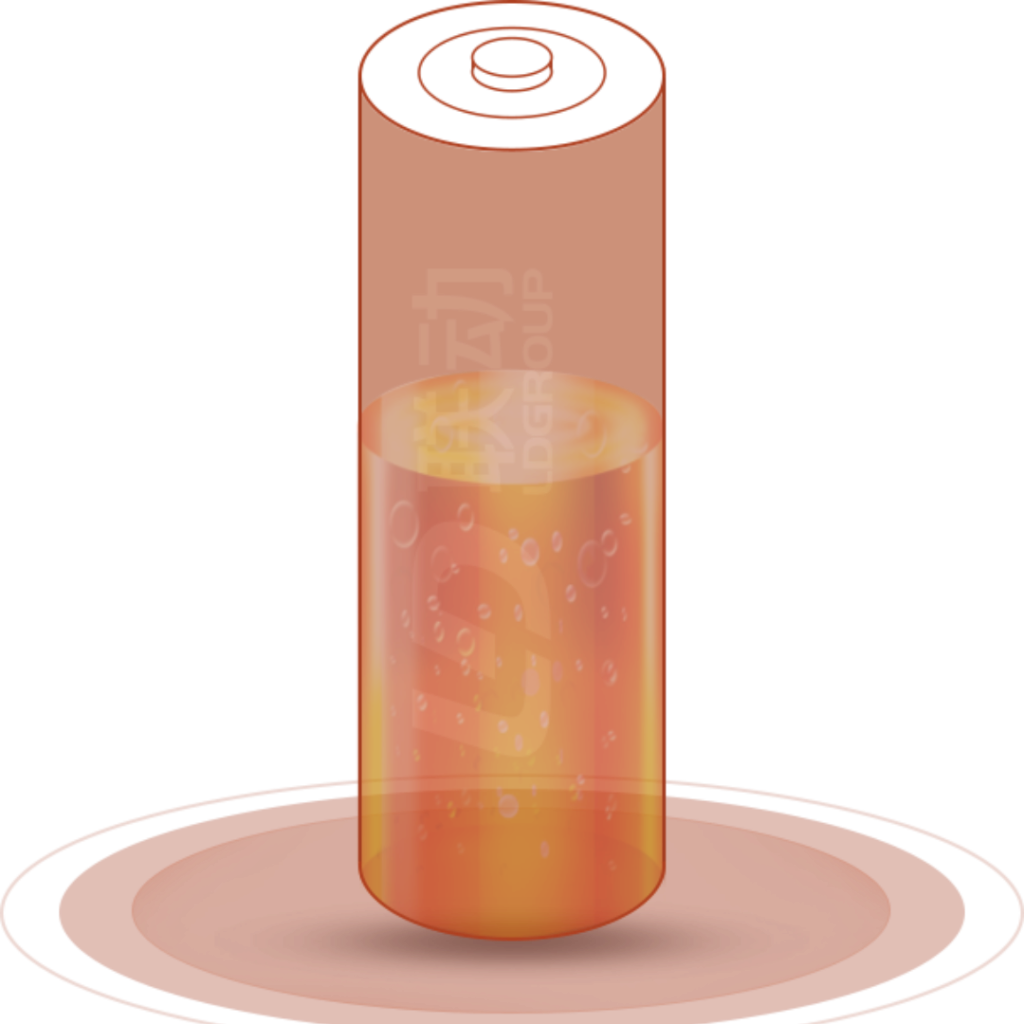

Here’s how the building up of a 48V LiFePO4 battery from 3.2V cells typically works:
Cell Configuration:
Each LiFePO4 cell has a nominal voltage of 3.2 volts.
These cells are typically cylindrical or prismatic in shape and contain a cathode (positive electrode), anode (negative electrode), and an electrolyte solution.
Series Connection:
To increase the voltage of the battery pack, multiple cells are connected together in series.
In a series connection, the positive terminal of one cell is connected to the negative terminal of the next cell, and so on.
This adds up the voltages of the individual cells to produce a higher overall voltage.
Pack Assembly:
The cells are typically arranged in a housing or enclosure, either as individual cells or as modules containing multiple cells.
The connections between cells are made using conductive materials such as metal busbars or welding tabs.
Proper insulation and safety features are also included to prevent short circuits and ensure safe operation.
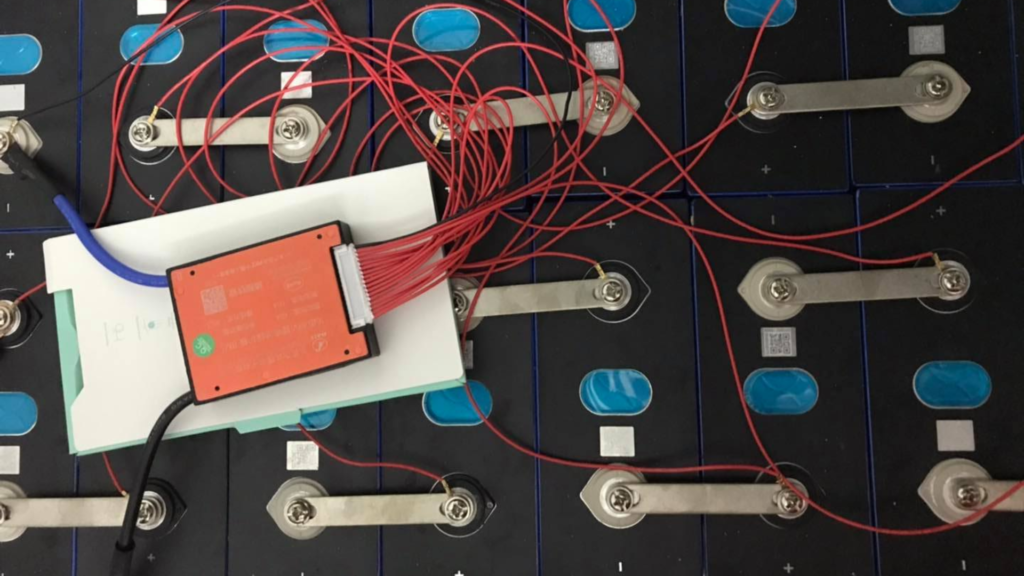
Battery Management System (BMS):
A Battery Management System is often integrated into the battery pack to monitor and manage the individual cells.
The BMS ensures that each cell is charged and discharged evenly, protects against overcharging and over-discharging, and provides temperature monitoring and other safety features.
LiFePO4 Battery Configurations: 15s and 16s Configurations
“15s” and “16s” refer to different configurations of LiFePO4 battery packs based on the number of cells connected in series.
In the context of lithium batteries, the letter “s” stands for “series,” which indicates how the individual cells are connected together to achieve the desired voltage for the battery pack.
Each cell typically has a nominal voltage of 3.2 volts for LiFePO4 chemistry. Here’s what “15s” and “16s” configurations mean:
15s configuration:
15s: In a “15s” configuration, 15 individual LiFePO4 cells are connected together in series. This means that the positive terminal of one cell is connected to the negative terminal of the next cell, and so on, for a total of 15 cells. With each cell having a nominal voltage of 3.2 volts, a “15s” battery pack would have a total nominal voltage of 15 cells x 3.2 volts/cell = 48 volts.
16s configuration:
16s: Similarly, in a “16s” configuration, 16 individual LiFePO4 cells are connected together in series. This results in a total nominal voltage of 16 cells x 3.2 volts/cell = 51.2 volts.
These configurations are commonly used in various applications requiring specific voltage levels, such as electric vehicles, solar energy storage systems, backup power systems, and more.
The choice between “15s” and “16s” depends on the voltage requirements of the application and the desired capacity of the battery pack.
Combine LifePO4 Battery with Specific Inverter for Lead Acid Battery
In the market, there are some specific inverters which were designed specifically for lead acid battery, which is believed due to the popularity of lead acid battery application for photovoltaic (PV) solar system before the emergence of lithium-ion battery technology.
This inverter is designed to accommodate the nominal voltage of lead acid batteries, achieving a 48V DC output by connecting four units of lead acid batteries in series.
For example if there is a requirement to use specific inverter based on the lead acid battery configuration, then it is possible to make a architecture design configuration between this type of inverter in combination with LifePO4 batteries.
But, very important to remember that, the selection of LifePO4 batteries need to satisfy the voltage limit factory setting of the inverter, which is supposed to be based on the lead acid battery nominal voltage of 48 VDC.
It is very important to note that when selecting LiFePO4 batteries, they must meet the voltage limit factory setting of the inverter, which is typically based on the nominal voltage of lead acid batteries at 48 VDC.
This is where the application of LIfepo4 battery 15s configuration in compulsory and is a must for a scenario specifically like this.
This means you’ll need to set up your LiFePO4 batteries in a specific way called a 15s configuration to make sure they work well with the inverter.