
Why Proper Vibration Sensor Installation is Your Maintenance’s Best Friend
In the area of condition-based maintenance, vibration monitoring plays an important role in predicting equipment failures and ensuring optimal machine performance.
With that being said, good and correct installation practice of vibration sensors is crucial to ensure the effectiveness of this predictive maintenance tool.
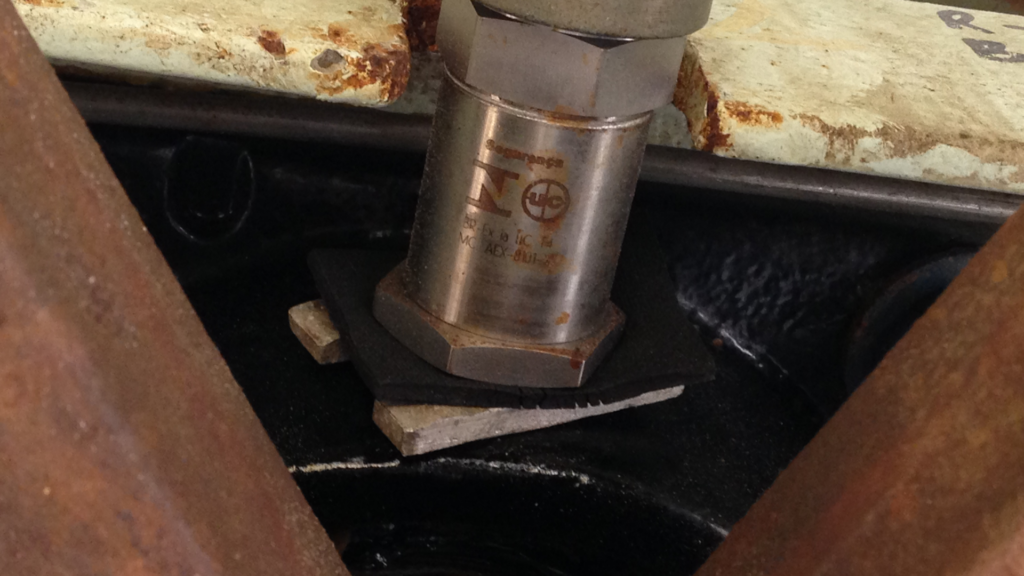
The image provided, illustrates an accelerometer sensor installed, on a curved surface of rotating equipment, with a flat metal plate and rubber pad in between them.
While the intention to monitor vibrations is clear, there are inherent issues with this setup that could potentially compromise the accuracy of data collected and, by extension, the integrity of condition-based maintenance efforts.
Key Issues: Surface Compatibility
The accelerometer is attached to a curved surface via a flat metal plate. This mismatch in surface geometry can lead to inconsistent contact between the sensor and machine, which might lead to inaccurate vibration measurements.
Key Issues: Material Interference
The inclusion of rubber as an intermediary material can dampen vibration signals. While it may mitigate mechanical noise or provide insulation, it also poses a risk of filtering essential data indicative of machine health.
Implication: Data Integrity and Reliability
Inaccurate or incomplete vibration data undermines predictive maintenance strategies. It can lead to misdiagnoses or missed early warning signs of impending failures.
Implication: Maintenance Efficacy
Lack of installation good practice might impact the reliability and effectiveness of maintenance schedules optimized for cost savings and operational efficiency.
The Dance of Data: How Sensor Placement Shapes Machine Health Insights
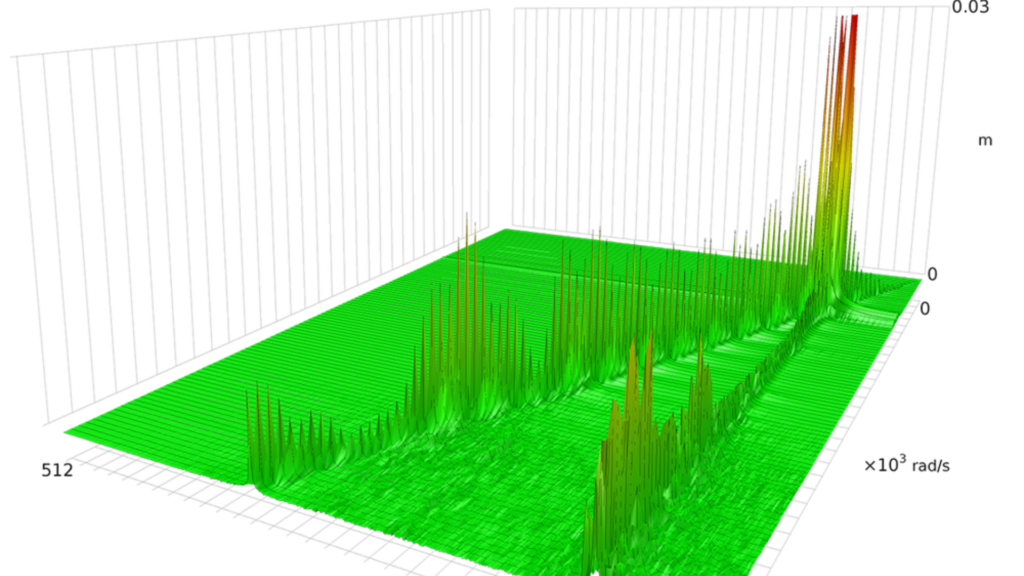
From frequency or spectrum analysis point of view, this kind of installation can affect the frequency spectrum of the vibration signal in several ways.
The flat metal plate and rubber pad can introduce damping effects, which can reduce the amplitude of the vibration signal at higher frequencies.
The curved surface can also cause some distortion or noise in the signal, which can appear as random spikes or peaks in the spectrum. And it was observed from this vibration monitoring data acquisition (DAQ) alarm event list, that there was a spike in signal even though this machine was in stop condition.
Also, the rust and wear on the machine can indicate some deterioration or damage, which can generate vibration at specific frequencies related to the machine components or operating conditions.

Recommendations: Surface Preparation
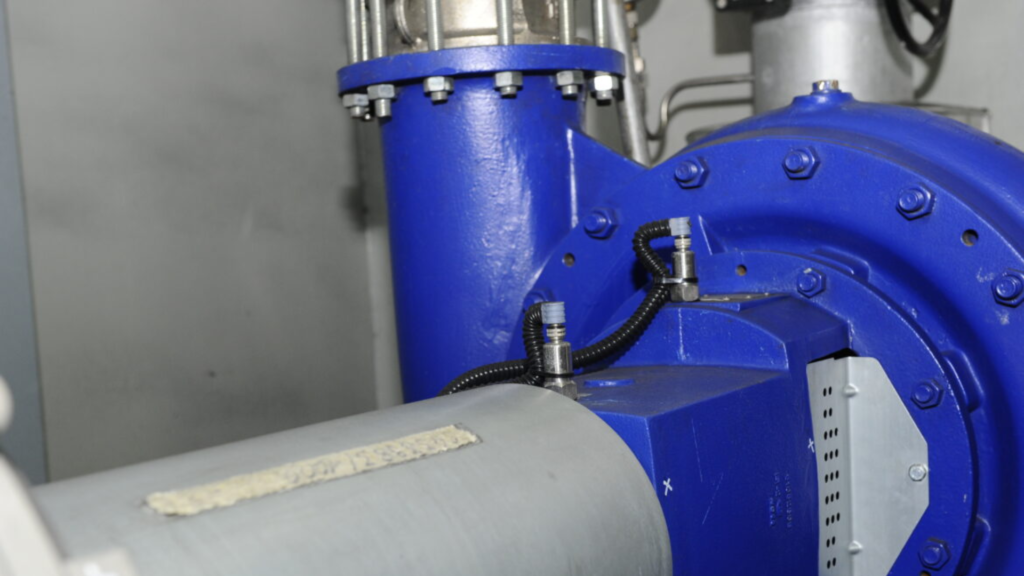
Ensure that accelerometers are installed on flat, clean surfaces to guarantee consistent contact and accurate data transmission.
Recommendations: Material Consideration
Evaluate intermediary materials for their impact on signal integrity. Optimize for materials that do not compromise data quality while serving auxiliary purposes like insulation or noise reduction.